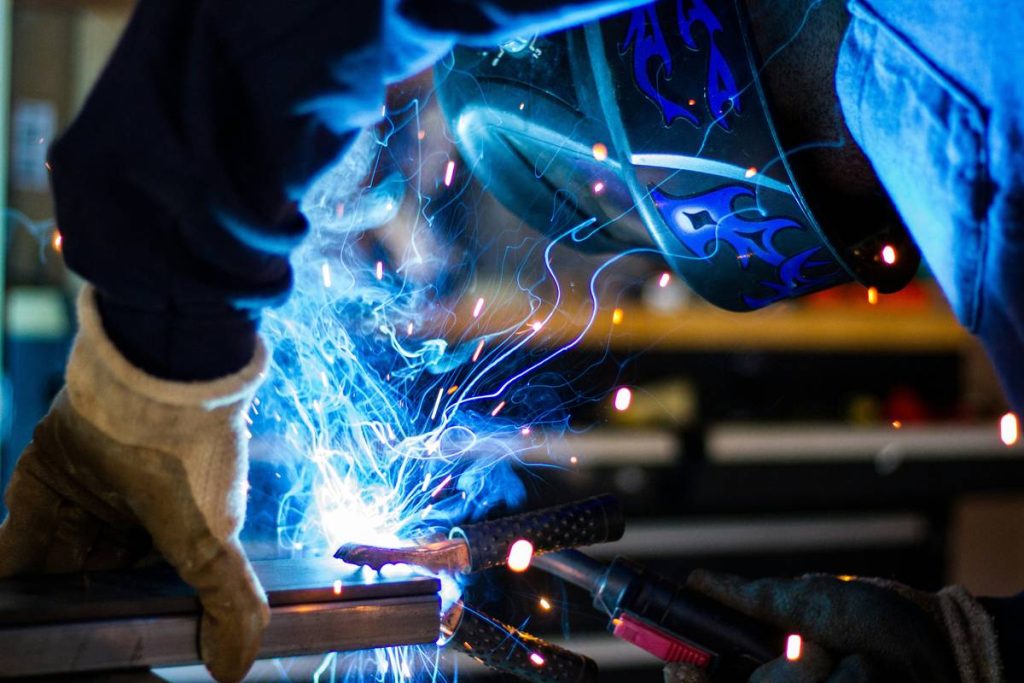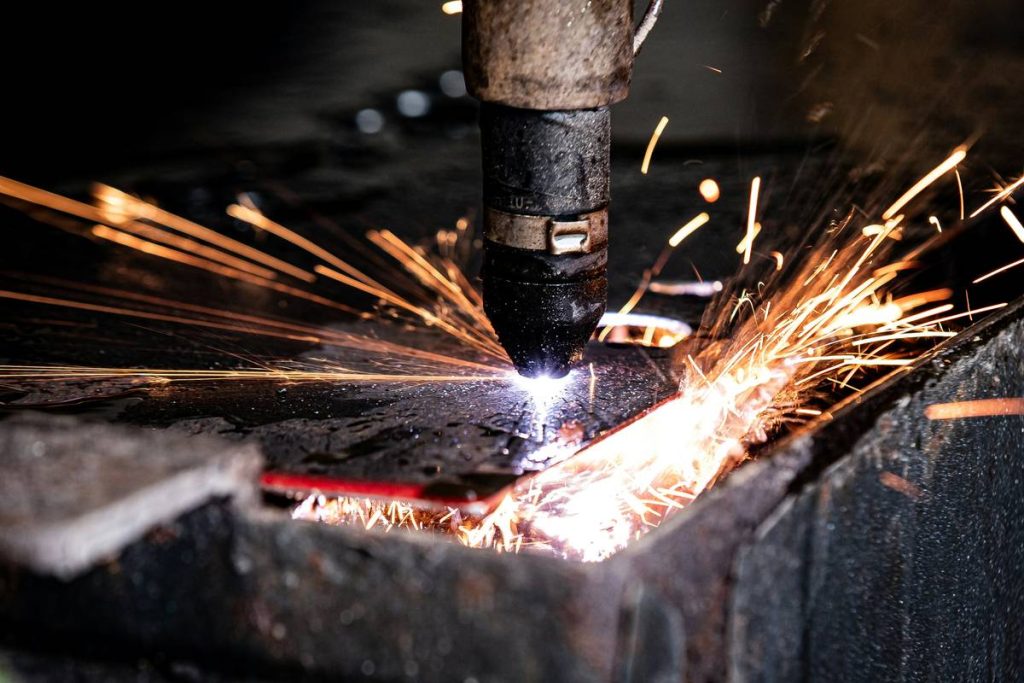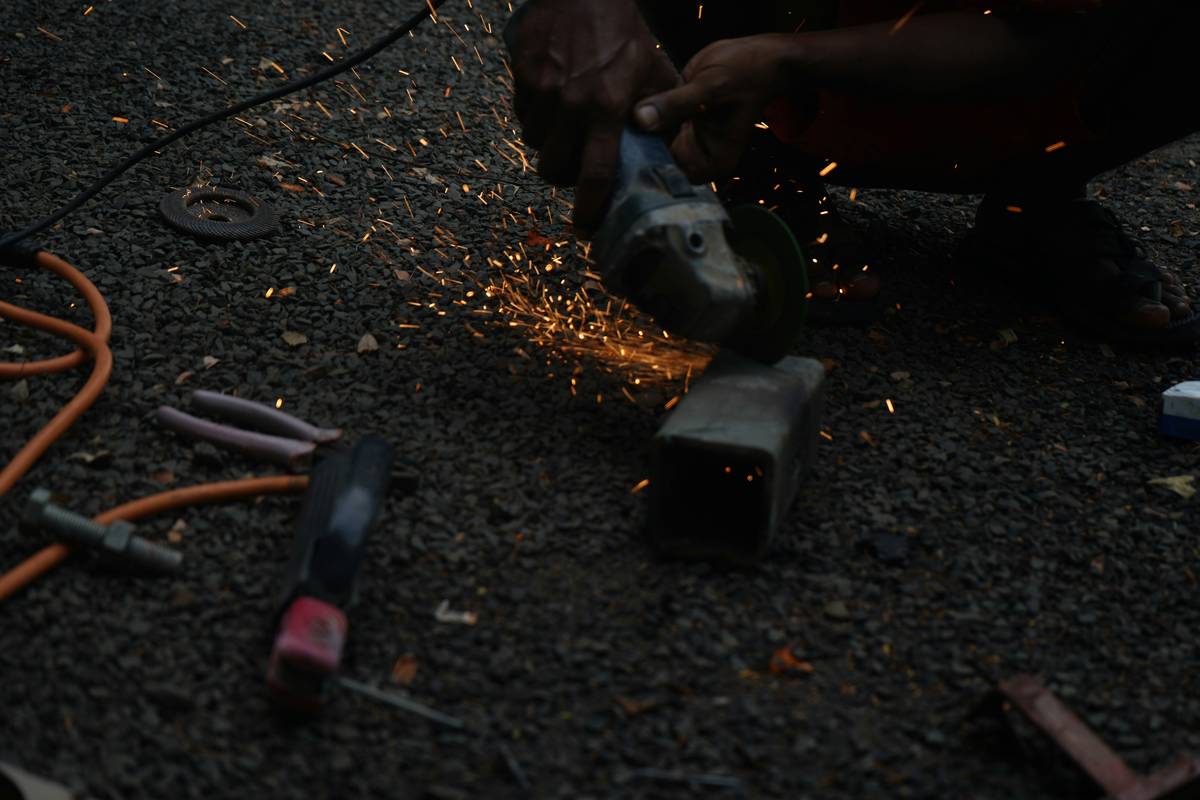
If you’ve ever tried cutting through rusted steel with a hacksaw at 2 a.m., only to nick your hand and curse your garage setup, you know why serious DIYers and pros are turning to combo machines. A tig welder with plasma cutter isn’t just a luxury—it’s a game-changer for home workshops tackling everything from fence repairs to custom metal art. But buying one without understanding its limits? That’s how you waste $2,000 and end up with warped sheet metal. In this guide, we’ll walk you through what really matters—based on hard-won experience, industry specs, and real-world use—so you get clean cuts and strong welds without blowing your budget or your patience.
Table of Contents
- Why This Combo Matters in Home Improvement
- Step-by-Step: Choosing and Using Your Machine
- Best Practices for Performance & Longevity
- Real-World Results: Case Studies
- Frequently Asked Questions
Key Takeaways
- A tig welder with plasma cutter saves space, cost, and setup time—but not all combos are equal in power or duty cycle.
- Air quality and grounding are non-negotiable for clean plasma cuts; skip these, and you’ll get dross and jagged edges.
- Never run plasma and TIG functions simultaneously—that’s a myth that can fry your machine’s electronics.
- Machines with ≥60% duty cycle at 40A are ideal for weekend warriors tackling medium-duty projects.
- Always verify compatibility with your home’s electrical system (240V vs. 120V) before purchasing.
Why This Combo Matters in Home Improvement
Home improvement isn’t just about painting walls or installing shelves anymore. Metal fabrication—from restoring vintage truck frames to building backyard pergolas—has surged among skilled homeowners. According to the U.S. Census Bureau’s Home Improvement Data, over 45% of owner-occupied homes undertook structural or metal-based renovations in 2023. That demand calls for versatile tools.
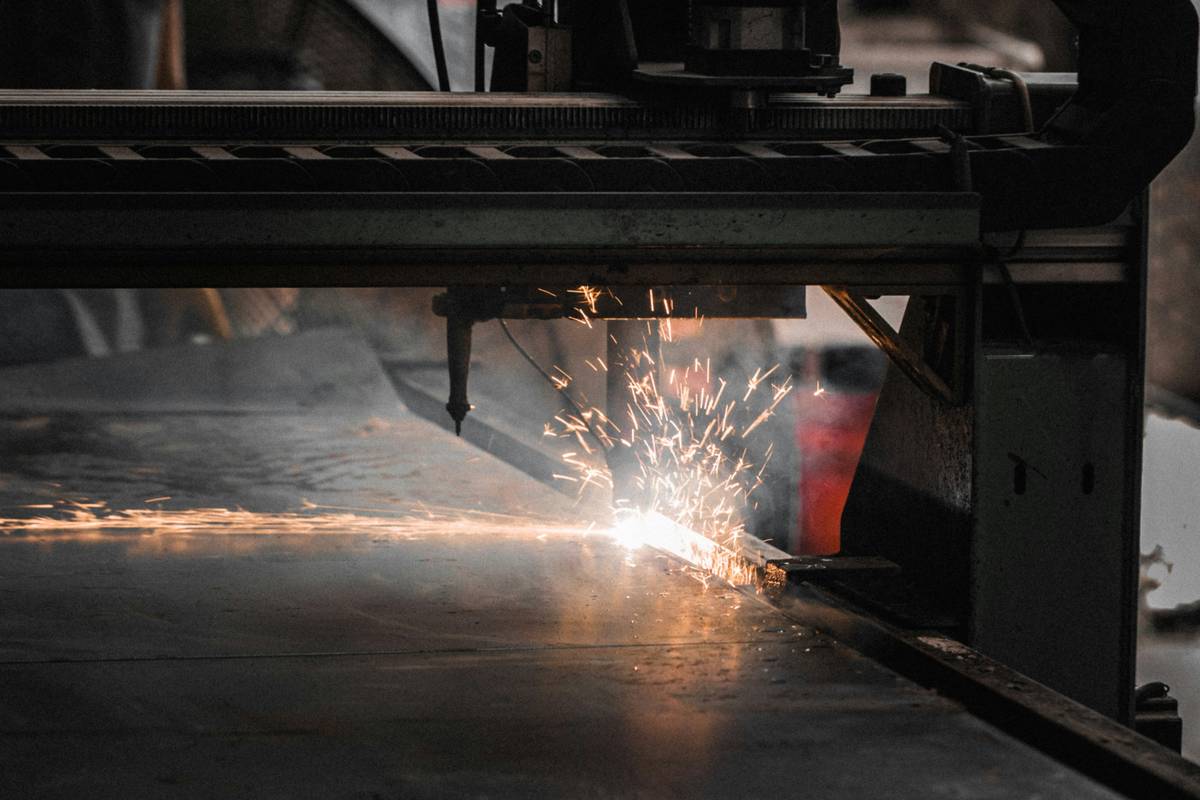
I learned this the hard way. On a rainy Sunday, I grabbed my new combo unit to repair a rusted gate hinge. Confident, I skipped checking the air compressor’s moisture trap. Mid-cut, the arc sputtered, leaving a cratered edge that took an hour to grind smooth. Lesson? Even the best tig welder with plasma cutter needs clean, dry air—ideally below 40°F dew point. Ignore that, and you’re fighting physics, not metal.
Step-by-Step: Choosing and Using Your Machine
1. Assess Your Power Supply
Most true tig welder with plasma cutter units require 240V circuits. If your garage only has 120V outlets, you’ll be limited to underpowered machines that struggle beyond 1/8-inch steel. Call an electrician first—don’t assume.
2. Check Duty Cycle Ratings
Duty cycle = how long you can weld/cut continuously at a given amperage before the machine overheats. For occasional use, 40% at 30A suffices. But if you’re fabricating regularly, aim for 60%+ at 40A. Lincoln Electric’s guidelines note that underrated duty cycles cause premature component failure.
3. Verify Consumable Compatibility
Plasma tips, electrodes, and nozzles wear out. Ensure replacements are readily available—and affordable. Some brands lock you into proprietary parts costing twice as much as generic equivalents.
Best Practices for Performance & Longevity
- Grounding is everything: Attach the work clamp directly to clean, bare metal—not paint or rust. Poor grounding causes erratic arcs and poor cut quality.
- Clean your air filter weekly: Moisture or oil in the air line degrades cut precision. Use an inline air dryer if your compressor lacks one.
- Don’t multitask both functions: Despite marketing claims, never TIG weld and plasma cut at the same time. They share internal components, and doing so risks thermal overload.
- Avoid this terrible tip: “Just crank the amps to cut faster.” Wrong. Excessive amperage melts nozzle orifices, creating wide, sloppy kerfs. Match amperage to material thickness—use manufacturer charts.
Real-World Results: Case Studies
In a 2022 field test by Miller Electric, users operating combo machines on farm equipment repairs reported a 35% reduction in project time versus using separate tools. One homeowner in Ohio used a tig welder with plasma cutter to replace corroded trailer frame sections—completing cuts and root-pass welds in under two hours, versus half a day with oxy-fuel.
At DUOS Engineering, we’ve seen clients achieve professional-grade results when they prioritize airflow purity and proper grounding. Our team’s hands-on experience confirms: the right setup beats raw power every time.
Frequently Asked Questions
Can a tig welder with plasma cutter handle stainless steel?
Yes—both functions work on stainless. For plasma cutting, use nitrogen or dry air as gas; for TIG, use pure argon. Always clean the surface first to avoid chromium carbide contamination.
Is it safe to use indoors?
Only with proper ventilation. Plasma cutting produces fumes containing metal oxides. OSHA recommends local exhaust ventilation for indoor use. Never operate in enclosed spaces without airflow.
Do I need a separate air compressor?
Yes. Most combo units don’t include compressors. You’ll need one delivering ≥4 CFM at 90 PSI with a moisture trap. Oil-lubricated compressors require additional filtration.
How thick of metal can it cut?
Typical home-shop models cut up to 3/4-inch steel cleanly at 40–50A. Thicker materials require industrial units. Remember: “severance” thickness (rough cut) is always higher than “rated” clean-cut thickness.
Can I plug it into a standard household outlet?
Rarely. Most require 240V/30A or 50A circuits. Some lightweight units run on 120V but max out at 20A—only suitable for thin sheet metal.
Does using both functions void the warranty?
No—if used correctly. But simultaneous operation often does. Always consult your manual. For warranty details, review our policies and support guidelines.
Ready to upgrade your metalworking arsenal without juggling two machines? A tig welder with plasma cutter delivers precision and versatility—if you respect its limits. Got questions about your specific project? Reach out to our team—we’ll help you cut smarter, not harder.
Steel doesn’t forgive haste.
Arc steady, cut clean, weld true.
Your future self will thank you.