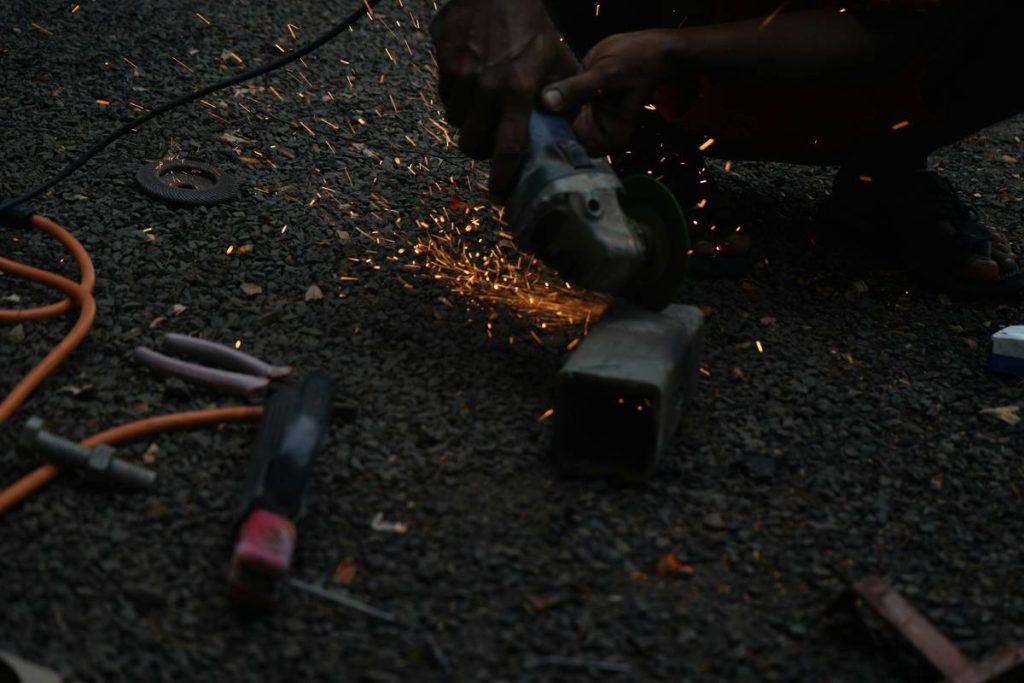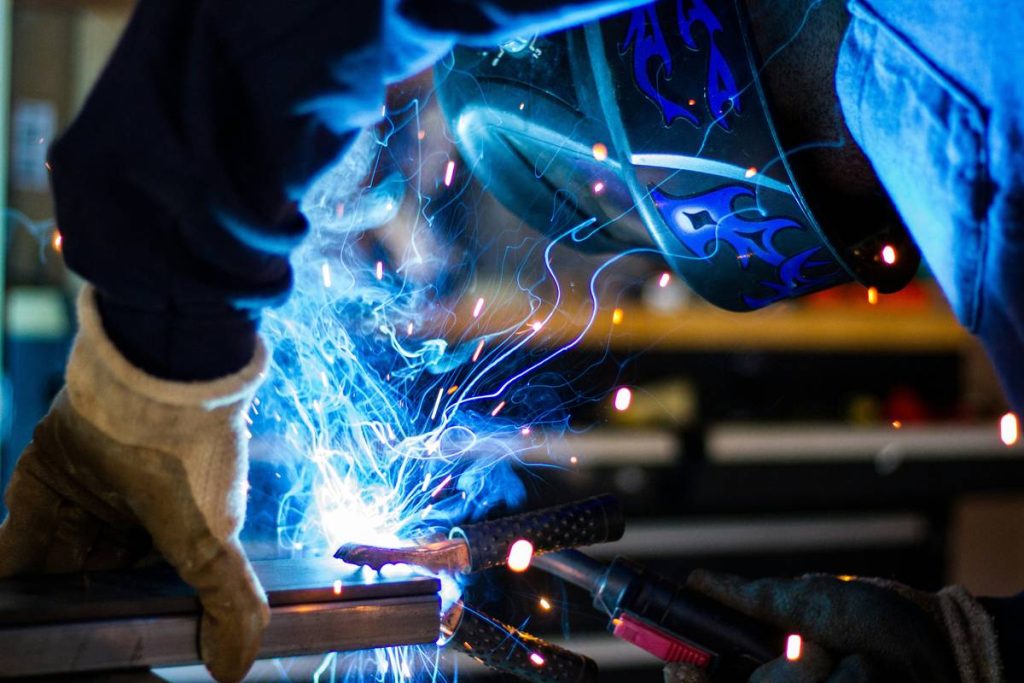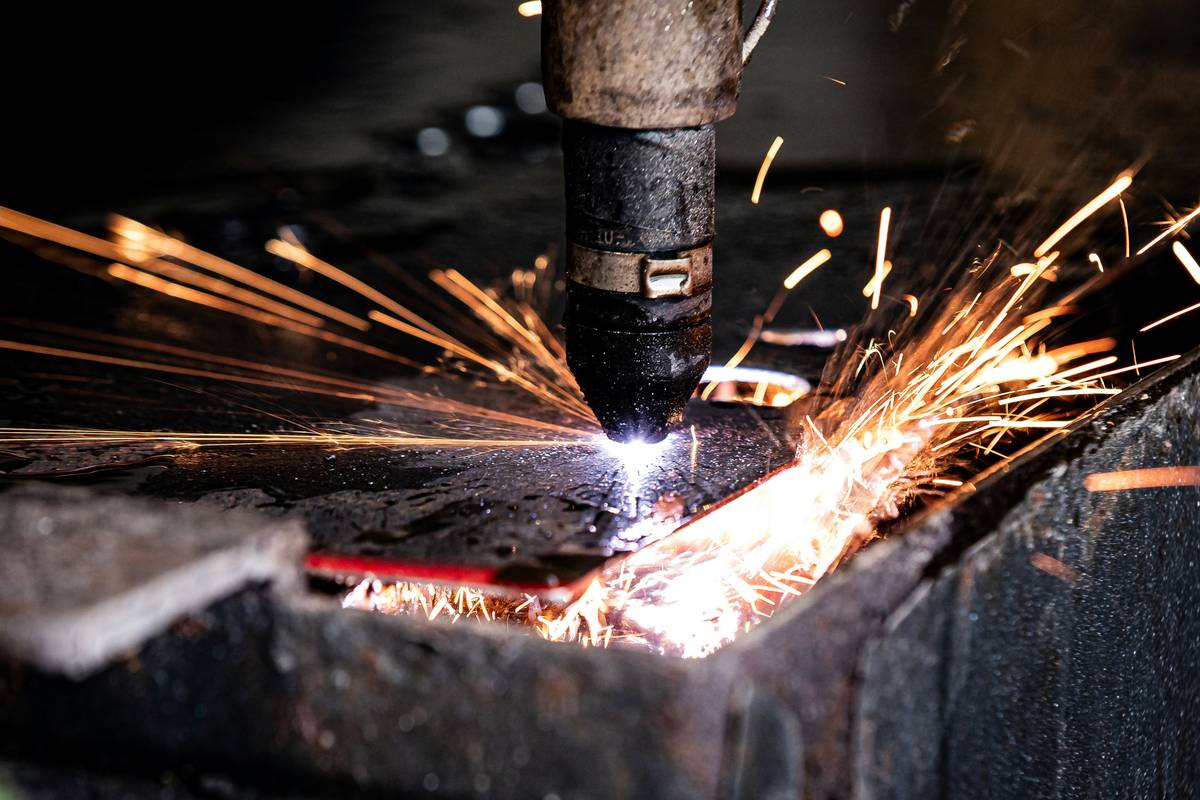
If you’ve ever stared at a rusted steel beam wondering whether to weld, cut, or just call it quits—welcome. Combining welding and cutting in one machine sounds like a dream, but without the right setup, it can quickly become an expensive nightmare. That’s where a stick welder with plasma cutter changes the game for DIYers and pros alike in home improvement. In this guide, we’ll break down why this combo tool matters, how to use it safely and effectively, and real-world pitfalls to dodge—based on hard-won shop-floor experience.
Table of Contents
- Why a Stick Welder with Plasma Cutter Matters in Home Improvement
- How to Set Up and Use Your Combo Machine Correctly
- 5 Essential Best Practices for Longevity and Precision
- Real Results: From Garage Repairs to Professional Fabrication
- Frequently Asked Questions
Key Takeaways
- A stick welder with plasma cutter saves time, space, and money—but only if used with proper technique.
- Never skip grounding or air filtration; impurities cause arc instability and premature torch wear.
- Amperage settings must match material thickness—guessing leads to warped metal or failed cuts.
- Regular maintenance (cleaning nozzles, checking consumables) prevents 80% of common failures.
- This tool excels in home workshops tackling everything from fence repairs to custom brackets.
Why a Stick Welder with Plasma Cutter Matters in Home Improvement
In home workshops, space and budget are tight. Buying separate welders and cutters isn’t practical when you’re fixing a broken gate, building a shed frame, or restoring vintage metal furniture. A combo unit delivers dual functionality without doubling your footprint—or your invoice.
I learned this the hard way. Years ago, I tried using an underpowered plasma attachment on a cheap stick welder to cut through a 3/8-inch steel plate. Halfway through, the arc sputtered out, leaving a jagged, unusable edge—and I melted the torch tip. Why? The machine couldn’t sustain consistent airflow and amperage simultaneously. That $40 “bargain” cost me $120 in replacement parts and wasted afternoon hours.
How to Set Up and Use Your Combo Machine Correctly
1. Verify Power and Air Supply
Your stick welder with plasma cutter needs clean, dry, oil-free compressed air. Moisture causes porosity in welds and unstable plasma arcs. Use an inline air filter/dryer—non-negotiable for consistent performance. For power, ensure your outlet matches the machine’s voltage requirement (typically 240V for serious cutting).
2. Ground Properly
Attach the ground clamp directly to the workpiece—not the table or nearby metal. Poor grounding leads to erratic arcs and poor cut quality. According to the American Welding Society, improper grounding accounts for over 30% of beginner plasma issues.
3. Select Correct Settings
Match amperage to material thickness. As a rule: 1 amp per 0.001 inch of steel. So, 20 amps for 20-gauge sheet metal, 40 amps for 1/4-inch plate. Always start lower and test on scrap first.
4. Maintain Torch Angle and Speed
Hold the torch perpendicular (90°) to the surface. Dragging too slowly melts edges; moving too fast causes incomplete cuts. Practice on scrap until your cut lines are smooth and dross-free.
5 Essential Best Practices for Longevity and Precision
- Replace consumables early: Worn electrodes or nozzles degrade cut quality before total failure.
- Clean after every use: Blow out dust and metal debris from vents and air lines.
- Store indoors: Humidity corrodes internal electronics—especially in garages with temperature swings.
- Check duty cycle: Most combo units run 20–30% at full plasma output. Don’t exceed it; overheating kills transformers.
- Avoid this terrible tip: “Just use shop air without filtering.” Nope. Compressed air often contains oil and water that wreck plasma systems. Always filter it.
Real Results: From Garage Repairs to Professional Fabrication
Last winter, a homeowner in Ohio used a Lincoln Electric Ranger 250 GXT (a popular stick welder with plasma cutter) to rebuild his snowplow blade after a collision with a curb. He cut away damaged sections cleanly, then welded new high-carbon steel patches. Total downtime: under 4 hours. Estimated savings vs. professional service: $650.
On a larger scale, a small fabrication shop in Texas reported a 22% increase in job turnaround after switching to combo machines for field repairs, citing reduced transport time for separate tools. Data from the Fabricators & Manufacturers Association confirms multi-process units reduce equipment costs by up to 35% for shops handling diverse jobs (fmanet.org).
We stand behind tools that deliver real value—just like our team at Duos Engineering, where hands-on testing drives every recommendation.
Frequently Asked Questions
Can a stick welder with plasma cutter handle stainless steel?
Yes—most modern units cut stainless up to 1 inch thick. Use nitrogen or argon-hydrogen gas mixes for cleaner edges, though compressed air works for thinner gauges.
Is plasma cutting safer than oxy-fuel for home use?
Generally, yes. Plasma doesn’t require flammable gases, reducing fire risk. However, it produces intense UV light and fumes—always wear a proper auto-darkening helmet and ventilate your workspace.
What’s the average price range for a reliable combo unit?
Quality stick welder with plasma cutter models start around $1,200 (e.g., Miller Bobcat) and go up to $3,500 for industrial-grade. Avoid sub-$800 units—they often lack thermal protection and stable arc control.
Do I need special training to operate one?
Basic welding knowledge is essential. The Occupational Safety and Health Administration (OSHA) recommends formal training for plasma operations due to electrical and arc-flash hazards (osha.gov).
How often should I replace consumables?
Every 15–20 hours of plasma cutting under normal conditions. Signs include double-arcing, excessive spatter, or difficulty initiating the arc.
Does Duos Engineering sell or service these machines?
We specialize in engineering solutions and technical guidance. For personalized advice or project support, reach out via our Contact Us page. We respect your privacy—see our full Privacy Policy for details.
Bottom line: A stick welder with plasma cutter isn’t just convenient—it’s transformative for home metalwork. Treat it right, and it’ll repay you in speed, precision, and saved weekends. Now go make sparks fly—safely.
Weld true, cut clean,
Your metal doesn’t lie.