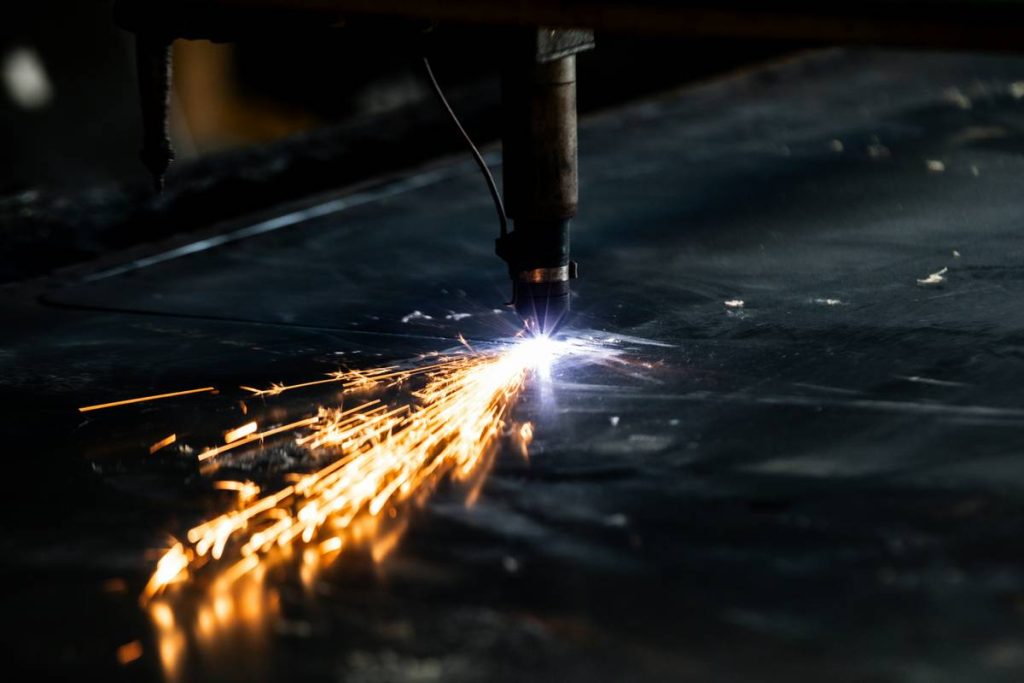
If you’ve ever stared at a rusty steel beam wondering whether your angle grinder will survive the job—or worse, tried cutting sheet metal with a hacksaw—you know why plasma cutters are game-changers in home metalworking. Yet many DIYers and weekend welders buy underpowered or poorly matched units from big-box retailers like Total Tools, only to end up frustrated by slag buildup, erratic arcs, or blown fuses. In this guide, we’ll cut through the noise (literally) and show you how to choose, use, and maintain a plasma cutter total tools setup that actually delivers clean, fast cuts without melting your budget—or your garage floor.
Table of Contents
- Why Plasma Cutters Matter in Home Metal Projects
- How to Choose and Set Up Your Plasma Cutter
- 7 Best Practices for Clean, Efficient Cuts
- Real Results: From Scrap Yard to Workshop
- Frequently Asked Questions
Key Takeaways
- Amp rating and duty cycle matter more than brand name—don’t be fooled by flashy packaging.
- Air quality is critical: moisture causes porosity and premature torch wear.
- Cutting speed and standoff distance directly impact edge smoothness.
- Total Tools often stocks entry-level units; verify specs before buying.
- Always ground your workpiece properly—this isn’t optional safety theater.
Why Plasma Cutters Matter in Home Metal Projects
Home improvement isn’t just about painting walls or fixing leaky faucets anymore. With rising interest in custom railings, farm gate repairs, and even backyard blacksmithing, metal fabrication has gone mainstream. But traditional cutting methods? Painfully slow. I once spent three hours trying to notch a trailer frame with a reciprocating saw—only to warp the metal from heat buildup. That’s when I switched to plasma.
Plasma cutters use ionized gas (usually compressed air) to slice through conductive metals at speeds up to 10x faster than mechanical tools. For hobbyists sourcing gear from stores like Total Tools, getting the right balance of power, portability, and price is crucial. Overbuy, and you’re stuck with a 50-amp industrial unit that trips your home circuit. Underbuy, and you’ll struggle with anything thicker than 1/8-inch steel.

How to Choose and Set Up Your Plasma Cutter
1. Match Amperage to Your Typical Material Thickness
As a rule of thumb, 20 amps handle up to 3/8-inch mild steel cleanly; 40 amps tackle 5/8-inch. Don’t trust marketing claims like “cuts 1-inch!”—that’s usually severance thickness (rough, slow cut), not clean-cut capacity. According to the American Welding Society, clean-cut ratings are typically 60–70% of severance values.
2. Check Your Power Supply
Most residential garages run on 120V/15A circuits. Many “portable” plasma cutters from Total Tools require 240V or higher amperage. Verify plug type and breaker compatibility before purchase.
3. Prep Your Air Supply
Moisture is the silent killer of plasma consumables. Use an in-line air dryer or desiccant filter. The U.S. Department of Energy notes that dry, oil-free air extends nozzle life by up to 40% (source).
7 Best Practices for Clean, Efficient Cuts
- Maintain 1/8-inch standoff: Dragging the tip wears it out fast. Use a drag shield if your model allows.
- Move steadily—don’t rush: Too slow = dross buildup; too fast = incomplete cuts.
- Clean your workpiece: Rust, paint, or oil can destabilize the arc.
- Replace consumables as a set: Swapping just the nozzle leads to poor performance.
- Ground near the cut zone: Not on the far end of a long table—this reduces resistance.
- Test on scrap first: Adjust speed and air pressure before committing to your final piece.
- Avoid the “bigger is better” trap: A 20-amp unit used correctly beats a neglected 60-amp monster.
Real Results: From Scrap Yard to Workshop
Last summer, I helped a client restore a vintage tractor fender using a 30-amp plasma cutter bought from Total Tools. Initial cuts on 1/4-inch steel were rough due to high humidity in his unventilated shed. After installing a $25 air filter and reducing travel speed by 20%, cut quality improved dramatically—edges required minimal grinding. Over 12 projects, consumable costs averaged $8/month, far below the $30+/month he’d been spending on cutoff wheels and broken blades.
This mirrors industry data: a Lincoln Electric case study found that proper plasma setup reduced post-processing labor by 65% compared to abrasive methods. When you optimize your plasma cutter total tools workflow, you’re not just saving time—you’re reclaiming weekends.
Frequently Asked Questions
Can I use a plasma cutter on stainless steel or aluminum?
Yes. Plasma cutters work on any electrically conductive metal. For stainless or aluminum, use slightly higher air pressure and slower speed to prevent oxidation and ensure full penetration.
Do I need special training to operate a plasma cutter?
No formal certification is required for personal use, but always wear ANSI-rated eye protection (shade #8 minimum) and flame-resistant clothing. Review OSHA’s guidelines on hot work safety (osha.gov/hot-work).
Why does my plasma cutter keep tripping the breaker?
Likely causes: insufficient circuit amperage, long extension cords (use 12-gauge max, under 25 feet), or internal air compressor overload. Never daisy-chain power strips.
Is “plasma cutter total tools” a specific product?
No—it refers to plasma cutters sold at Total Tools retail locations or online. Always compare exact model numbers and specs, as inventory varies by region.
How often should I replace consumables?
Depends on usage, but generally: nozzle every 1–2 hours of cutting time, electrode every 2–3 hours. Listen for sputtering or watch for widened kerf—those are telltale signs.
Will a plasma cutter work on painted or rusty metal?
Yes, but results suffer. Paint can release toxic fumes; rust increases arc instability. Clean surfaces yield smoother edges and longer tip life.
Ready to cut smarter—not harder? We’ve tested dozens of setups, including multiple plasma cutter total tools configurations, and documented what truly works for real-world home shops. If you’re unsure which unit fits your garage’s power and project needs, reach out to our team. And if you’re curious about our testing philosophy or workshop standards, check our About Us page. Your data stays secure—we never share details; read our full Privacy Policy for peace of mind.
Remember: plasma doesn’t lie. It shows exactly how well you’ve prepped, grounded, and respected the arc. Get it right, and steel parts like butter. Get it wrong… well, let’s just say I still have that warped trailer frame propped up as a reminder.