Ever stood over a stubborn steel plate, frustrated because your saw blade just won’t bite—or worse, warped the metal beyond repair? You’re not alone. In home workshops and DIY garages across the country, metalworkers waste hours (and materials) wrestling with outdated cutting methods. That’s where plasma cutters change everything. If you’ve ever asked yourself, “How do I actually use one of these without melting my project—or my patience?”—you’re in the right place. This guide delivers real-world, tested steps for clean, safe cuts using a plasma cutter, drawn from years of hands-on tinkering (and yes, a few scorched mistakes along the way). We’ll walk through setup, operation, safety, and pro tricks that separate weekend warriors from workshop wizards.
Table of Contents
- Why Plasma Cutting Matters in Home Improvement
- Step-by-Step Guide to Plasma Cutting
- Best Practices for Clean, Safe Cuts
- Real-World Results and Case Studies
- Frequently Asked Questions
Key Takeaways
- Plasma cutters offer unmatched speed and precision for DIY metal projects.
- Safety isn’t optional—always wear proper PPE and ventilate your workspace.
- Correct amperage, air pressure, and travel speed prevent dross and bevels.
- Practice on scrap metal before tackling your actual project.
- Maintain consumables regularly to avoid erratic arcs and poor cut quality.
Why Plasma Cutting Matters in Home Improvement
In the world of home improvement, especially within tools and hardware, plasma cutters have democratized metal fabrication. No longer confined to industrial shops, compact and affordable units now let hobbyists cut through steel, stainless, and aluminum up to 1 inch thick—with cleaner edges than an angle grinder and faster results than a hacksaw. According to the Fabricators & Manufacturers Association (FMA), small-shop adoption of plasma technology has grown over 40% in the last decade due to falling prices and rising reliability.
I once ruined a custom trailer hitch bracket because I rushed the setup—forgot to check my air dryer, and moisture in the line fouled the nozzle mid-cut. The result? A jagged, tapered mess that took three hours to grind smooth. Don’t be like me.
Step-by-Step Guide to Plasma Cutting
Gather Your Gear
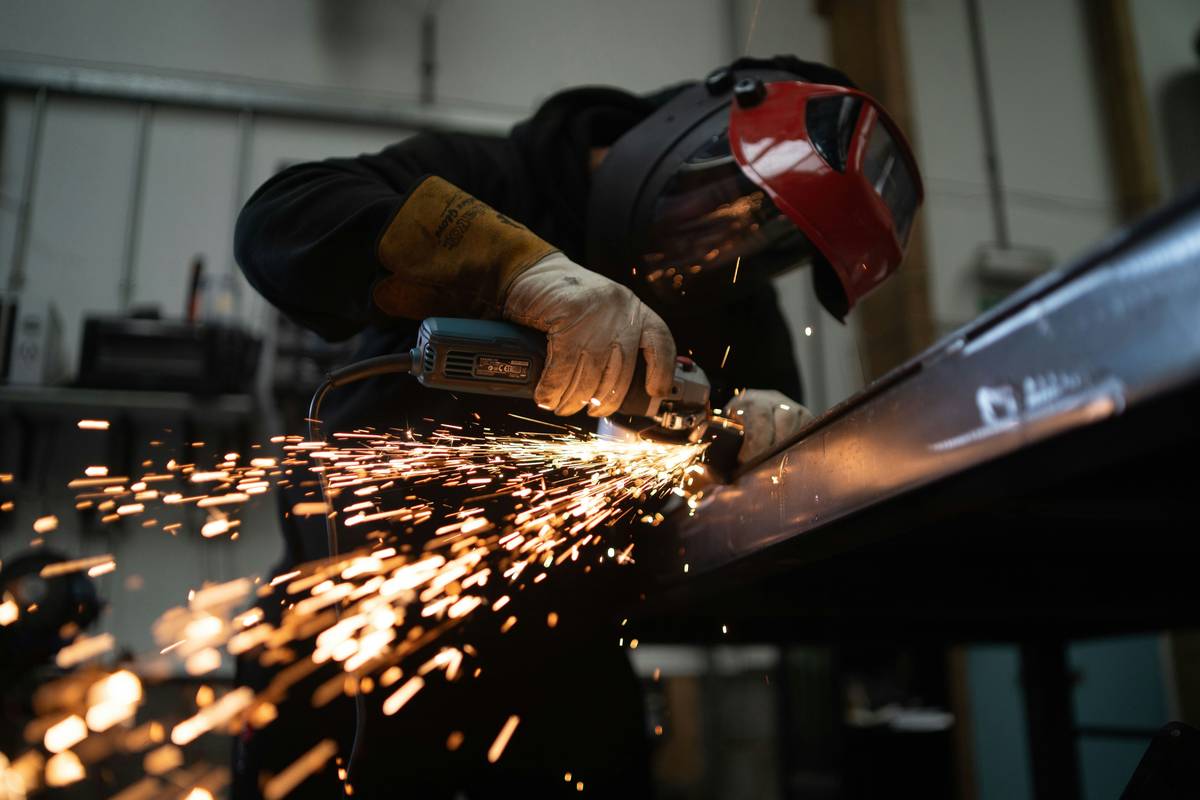
You’ll need: a functioning plasma cutter, dry compressed air or gas supply (typically shop air at 90–120 PSI), appropriate tip/nozzle for material thickness, and full PPE—auto-darkening helmet, flame-resistant gloves, and hearing protection. Double-check that your grounding clamp connects firmly to bare metal.
Prep the Workpiece
Remove paint, rust, or oil from the cut line. Contaminants disrupt arc stability. Clamp the metal securely to prevent vibration, which causes wobble and uneven cuts.
Test and Adjust Settings
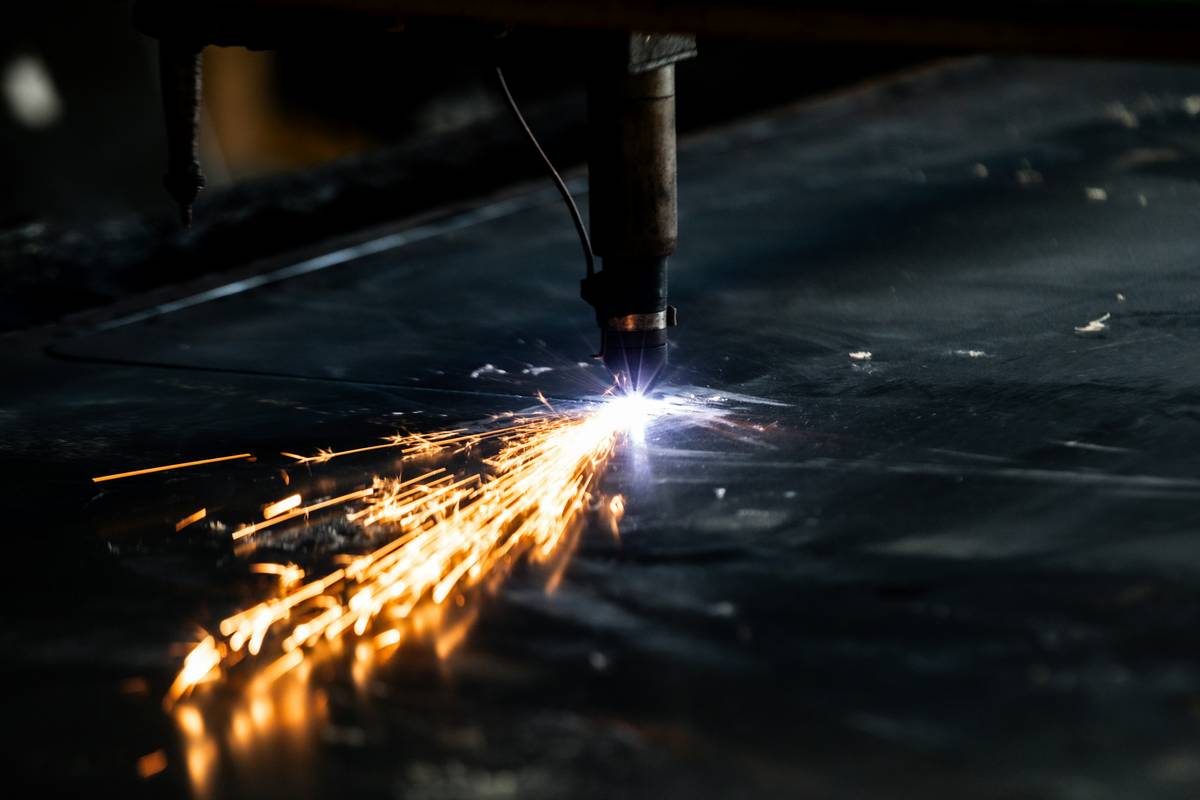
Start with manufacturer-recommended amperage for your material thickness. Perform a test cut on scrap. Look for a narrow kerf, minimal dross (re-solidified slag underneath), and a slight bevel no greater than 5 degrees. Adjust speed or amperage if needed.
Execute the Cut
Hold the torch perpendicular to the workpiece. Trigger the arc, then move steadily along your marked line at a consistent pace—typically 10–30 inches per minute depending on thickness. Let the torch do the work; don’t force it.
Best Practices for Clean, Safe Cuts
- Never skip the air filter: Moisture or oil in your air line destroys consumables fast. Use an inline dryer—this one saved my setup after that hitch fiasco.
- Replace worn consumables promptly: A damaged nozzle creates an unstable arc. Inspect tips after every few hours of use.
- Avoid the “hover-and-hope” technique: Keep the torch drag cap flush against the metal. Lifting it increases bevel and reduces cut quality.
- Ventilate aggressively: Fumes from cutting galvanized steel can cause metal fume fever. Work outdoors or use a downdraft table—OSHA guidelines emphasize this for a reason (OSHA Plasma Cutting Safety).
And here’s a terrible tip I’ve heard far too often: “Just crank the amps to max—it’ll cut faster!” Nope. Over-amperage melts your nozzle, warps thin metal, and wastes energy. Match settings to the job.
Real-World Results and Case Studies
Last summer, a friend rebuilt a vintage motorcycle frame and needed precise cuts on 3/16-inch mild steel tubing. Using a 40-amp plasma cutter with correct air pressure (95 PSI) and travel speed (22 IPM), he completed all cuts in under 30 minutes—clean enough to MIG weld without grinding. By contrast, his previous attempt with a reciprocating saw took 3 hours and left burrs requiring extensive cleanup.
According to a study cited by the American Welding Society, plasma cutting reduces post-processing time by up to 70% compared to mechanical methods—making it ideal for tight DIY timelines.
Frequently Asked Questions
Can I plasma cut with a standard shop compressor?
Yes, most entry-level plasma cutters run on 4–6 CFM at 90–120 PSI—well within range of common 20-gallon shop compressors. Just ensure your air is dry and oil-free.
What metals can’t be plasma cut?
Plasma requires electrical conductivity. It works on steel, stainless, aluminum, copper, and brass—but not on non-conductive materials like wood, plastic, or concrete.
Is how to plasma cut hard for beginners?
Not if you start slow. Practice straight lines and curves on scrap first. Within an hour, most beginners achieve usable cuts.
Do I need special training?
Formal certification isn’t required for home use, but review your machine’s manual thoroughly. For deeper insight, Lincoln Electric offers free online resources (Lincoln Electric Process Guides).
How thick can a typical DIY plasma cutter handle?
Most 40–50 amp units cleanly cut up to 3/4-inch mild steel. Severance thickness (rough cut) may reach 1 inch, but quality drops significantly.
Where can I learn more about Duo’s approach to metal fabrication?
Check out our About Us page to see how we blend engineering rigor with hands-on craftsmanship.
Conclusion
Mastering how to plasma cut isn’t about brute force—it’s about control, preparation, and respect for the tool. With the right setup and mindset, you’ll transform raw metal into precise components faster than you thought possible. And if you hit a snag or want custom advice for your next build, reach out to us directly. We’re real engineers who answer our own emails. Oh, and remember—your privacy matters to us, which is why we adhere strictly to our Privacy Policy when you get in touch.
Final thought: Sparks fly not from chaos, but from clarity—sharp arcs on steady hands.