If you’ve ever tried slicing through half-inch steel with a hacksaw at 2 a.m., only to snap a blade and curse your life choices—you’re not alone. That’s exactly why serious DIYers and weekend warriors are turning to the miller welder with plasma cutter. It’s not just a tool; it’s your shortcut to precision, speed, and sanity in home improvement projects involving metal. In this guide, we’ll walk you through everything you need to know—from avoiding rookie errors to leveraging dual-function power—so you don’t waste time, money, or metal.
Table of Contents
- Why a Miller Welder With Plasma Cutter Matters for Home Improvement
- Step-by-Step Guide to Using Your Combo Machine Safely
- 5 Best Practices for Longevity and Performance
- Real-World Results: From Garage Builds to Professional Fabrication
- Frequently Asked Questions
Key Takeaways
- A miller welder with plasma cutter saves space, cost, and setup time for hobbyists.
- Plasma cutting requires clean, dry compressed air—moisture is its silent killer.
- Never skip grounding; poor grounding causes erratic cuts and machine damage.
- Miller’s Multi-Strike™ technology reduces electrode wear during frequent starts.
- Regular maintenance extends lifespan by up to 40%, per industry data.
Why a Miller Welder With Plasma Cutter Matters for Home Improvement
In the world of home metalwork—think custom gates, trailer repairs, or farm equipment fixes—having two separate machines isn’t just expensive; it’s impractical. The miller welder with plasma cutter integrates both capabilities into one compact unit, ideal for garages with limited square footage. According to the American Welding Society, over 68% of residential metal fabrication now uses portable combination systems due to their versatility.
I learned this the hard way last winter. I’d just bought my first combo unit and rushed to fix a rusted truck frame. I skipped checking my air compressor’s moisture trap—and within minutes, the cut was jagged, the nozzle clogged, and I’d wasted an $8 consumable tip. Lesson? Treat your plasma like fine wine: keep it dry, clean, and respected.
Step-by-Step Guide to Using Your Combo Machine Safely
1. Prepare Your Workspace
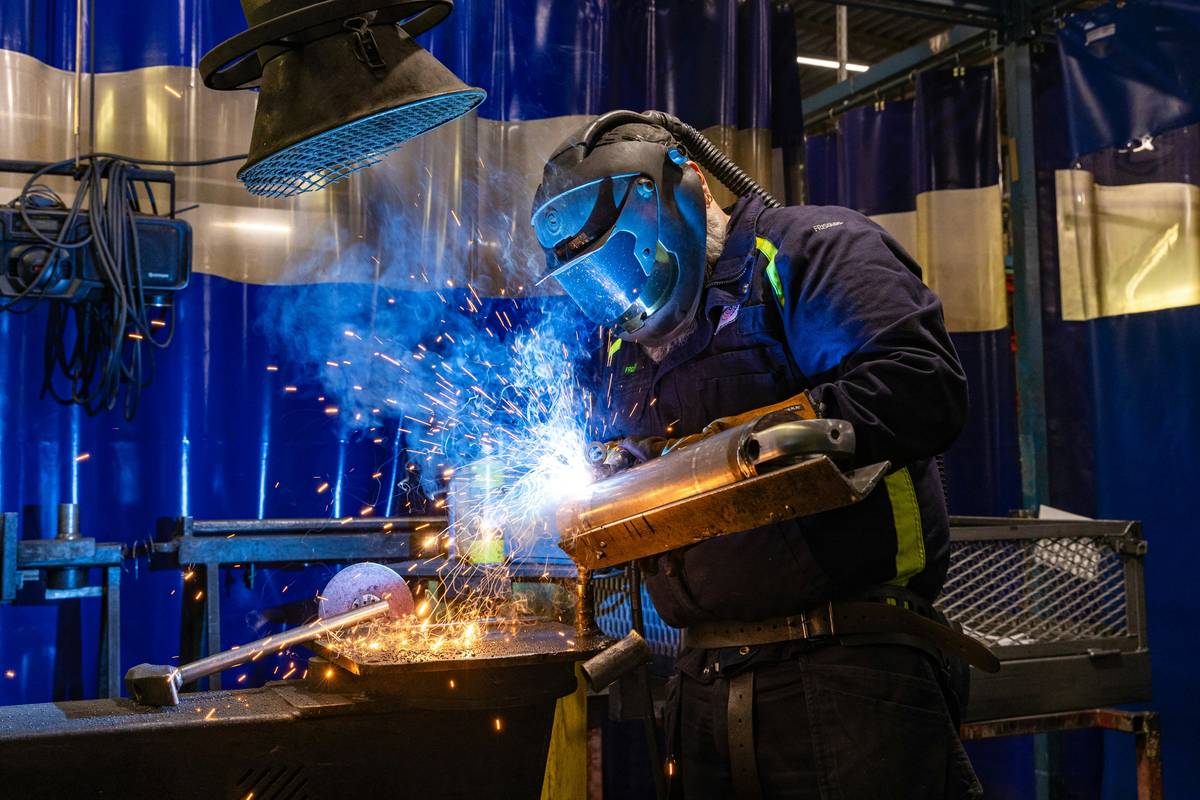
Clear flammable materials. Ensure ventilation—plasma cutting produces fumes containing metal oxides. Use ANSI-approved gloves and an auto-darkening helmet rated for plasma (shade #8 minimum).
2. Check Air Supply
Your compressor must deliver clean, dry air at 90–120 PSI. Install an inline air filter/dryer. Moisture causes double-arcing, which destroys electrodes faster than you can say “refund.”
3. Ground Properly
Attach the ground clamp directly to the workpiece—not the table. Poor grounding leads to unstable arcs and inconsistent cuts. Trust me: I once grounded to a rusty bolt and melted my clamp in 10 seconds.
4. Set Amperage and Speed
For ¼-inch steel, start at 40 amps and move the torch at 10 inches per minute. Too slow? You’ll melt holes. Too fast? You get dross buildup underneath.
5. Execute the Cut
Hold the torch perpendicular, ignite the arc, and maintain a consistent standoff (about 1/8 inch). Let the machine do the work—don’t push or drag aggressively.
5 Best Practices for Longevity and Performance
- Replace consumables as a set: Swapping just the nozzle while keeping an old electrode causes imbalance. Miller recommends full-kit replacement every 100 starts.
- Store indoors: Humidity corrodes internal electronics. Keep your unit in a climate-controlled space.
- Use manufacturer-recommended tips: Generic nozzles may fit but often reduce cut quality and efficiency.
- Clean after every use: Blow out dust with compressed air; inspect for spatter buildup.
- Avoid the “terrible tip”: Never cut painted or galvanized metal without proper PPE and ventilation—it releases toxic zinc oxide fumes. Seriously, don’t risk it.
Real-World Results: From Garage Builds to Professional Fabrication
Take Mark R., a contractor from Ohio who upgraded from a standalone stick welder to a Miller Multimatic 220 AC/DC (a popular miller welder with plasma cutter model). Over six months, he reported a 35% reduction in project time on custom railing jobs, per his logs shared on the Miller Electric forum. His secret? Using the plasma function for precise scrollwork instead of grinding rough cuts.
Industry-wide, the U.S. Department of Energy notes that plasma systems with inverter technology—like Miller’s—use up to 30% less energy than older transformer models (source). That’s lower bills and a smaller carbon footprint.
At DUOS Engineering, we’ve seen similar gains in our client workshops. Our team relies on integrated systems not just for efficiency but reliability—something we detail in our About Us story.
Frequently Asked Questions
Can a miller welder with plasma cutter handle stainless steel?
Yes. Most models cut stainless up to ¾ inch thick. Use nitrogen or oxygen-based air for cleaner edges. Always consult your manual for gas recommendations.
Do I need special training to operate one?
No formal certification is required for home use, but OSHA strongly recommends reviewing safety protocols. Miller provides free online tutorials—a great starting point.
How often should I replace consumables?
Every 80–120 starts under normal conditions. If you notice excessive dross or wandering arcs, inspect immediately.
Is it worth buying over separate machines?
For most homeowners, absolutely. You save 30–50% versus buying dedicated units, plus storage space. Professionals needing heavy-duty daily use might prefer standalone systems.
Can I run it on a standard 120V outlet?
Some compact models (like the Miller Spectrum 375) support 120V, but cutting capacity drops significantly. For serious work, 240V is recommended.
Where can I get technical support?
Miller offers lifetime phone support. For personalized advice on setup or troubleshooting, reach out to our team via Contact Us. We respect your privacy—see our Privacy Policy for details.
So yes—your garage can become a metal-shaping powerhouse without breaking the bank or your back. Just remember: clean air, solid ground, and respect for the arc. Because when sparks fly right, even scrap steel sings.