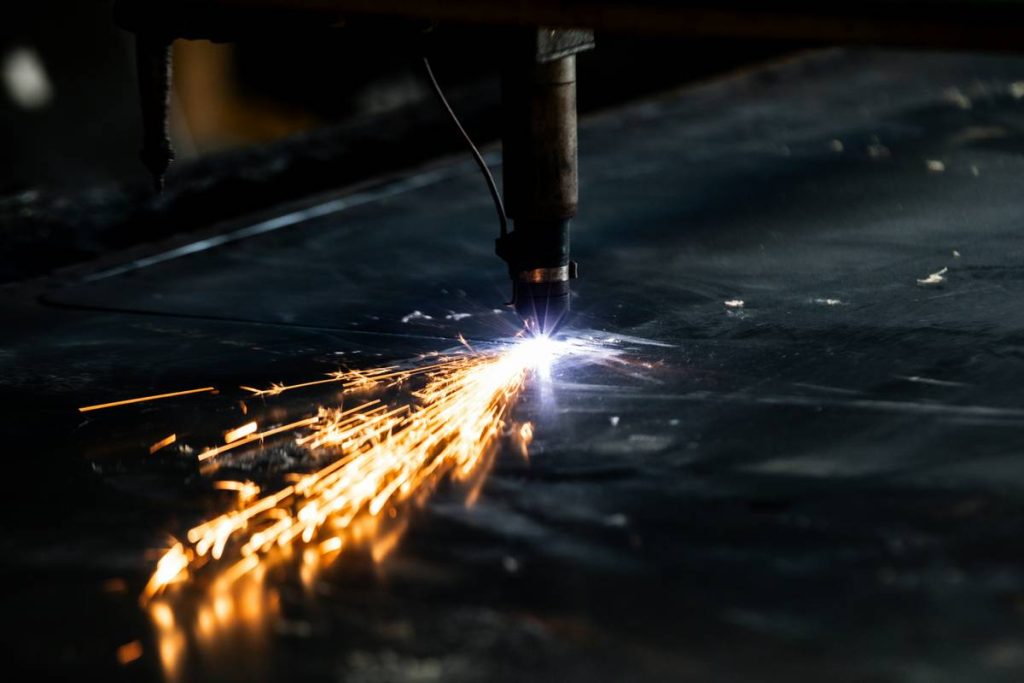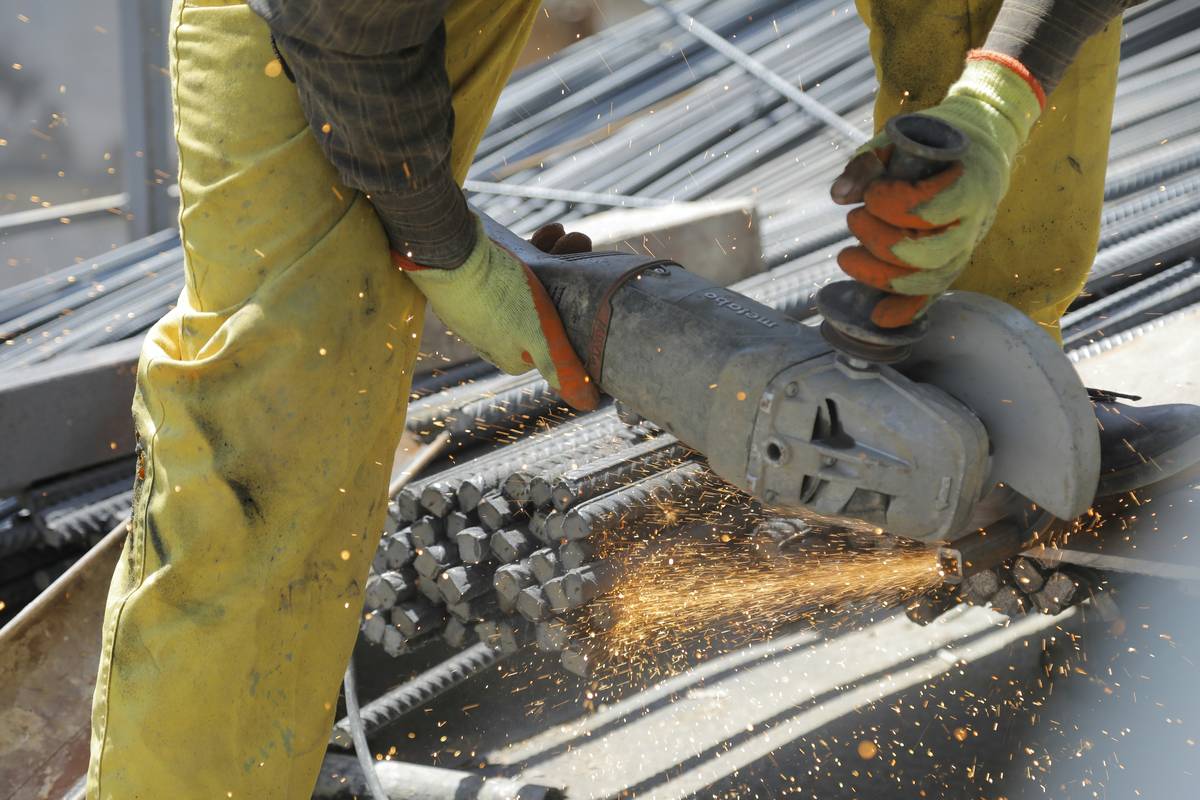
Ever stared at a chunk of steel thinking, “There’s got to be a faster way than this angle grinder”? You’re not alone. For DIYers and pros alike in the home improvement space, plasma using for cutting has quietly become the secret weapon for slicing through metal like butter—without warping or excessive cleanup. Yet, misuse leads to fried tips, botched cuts, and wasted time. In this guide, we’ll walk you through exactly how to harness plasma safely and efficiently, share hard-won lessons (yes, I once melted a $300 torch tip trying to cut rusty rebar), and reveal common pitfalls even seasoned fabricators fall into.
Table of Contents
- Why Plasma Cutting Matters in Home Improvement
- Your Step-by-Step Guide to Effective Plasma Cutting
- Best Practices for Clean and Accurate Cuts
- Real-World Results: Data-Backed Examples
- Frequently Asked Questions
Key Takeaways
- Plasma cutters excel on conductive metals up to 1.5 inches thick but struggle with non-conductive materials.
- Air quality and amperage settings dramatically impact cut quality—dirty air = dross city.
- Proper grounding isn’t optional; poor grounding causes erratic arcs and safety hazards.
- Always wear appropriate PPE—UV radiation from plasma arcs is no joke.
- Maintenance prevents 80% of performance issues; clean consumables weekly.
Why Plasma Cutting Matters in Home Improvement
In garage workshops and backyard builds, speed and precision matter. Whether you’re crafting custom railings, modifying HVAC ducts, or repurposing scrap steel for garden art, traditional methods like saws or oxy-fuel can be slow, labor-intensive, or require flammable gases. Plasma technology offers a cleaner, faster alternative—especially for metals under ¾ inch. According to the Fabricators & Manufacturers Association (FMA), over 60% of small-scale metal fabricators now rely on plasma for routine cutting tasks due to its ease of use and minimal heat distortion.
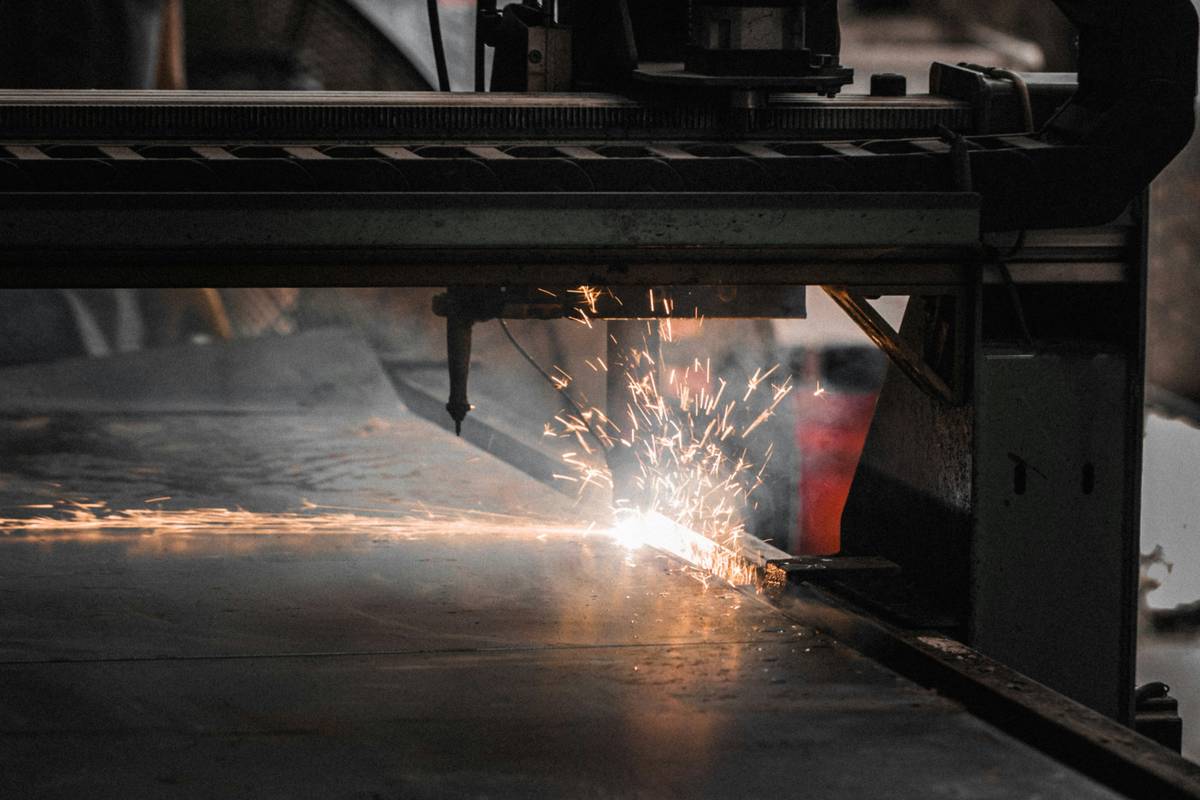
I learned this the hard way during a porch railing retrofit. Impatient and underinformed, I tried cutting through galvanized steel without proper ventilation. The fumes were overwhelming, and the cut edge oxidized instantly, ruining the finish. That $200 mistake taught me: know your material and environment. At Duos Engineering, we prioritize safety and efficiency—learn more about our team’s hands-on experience.
Your Step-by-Step Guide to Effective Plasma Cutting
1. Prepare Your Workspace
Clear flammable materials. Ensure stable grounding by attaching the work clamp directly to clean, bare metal near the cut zone. Never ground to painted or rusty surfaces.
2. Set Up the Machine Correctly
Check air pressure—most handheld units need 90–120 PSI of clean, dry air. Moisture causes arc instability. Use an inline filter if your compressor lacks one. Select amperage based on material thickness; e.g., 40 amps for ⅜” steel is ideal.
3. Start the Cut
Hold the torch perpendicular to the workpiece at a ⅛” standoff (unless drag-cutting with a shield). Trigger the arc only when ready—don’t “drag-start” unless your model supports it. Move steadily; too slow causes dross, too fast creates beveled edges.
4. Post-Cut Care
Let the system purge air for 20 seconds after cutting to cool internal components. Inspect consumables (nozzle, electrode) for wear—replace if pitted or enlarged.
Best Practices for Clean and Accurate Cuts
- Use sharp consumables: Worn nozzles scatter the arc, leading to jagged edges.
- Cut direction matters: For best edge squareness, move the torch so the slag ejects away from you.
- Rust and paint? Grind them off first—coatings disrupt conductivity and release toxic fumes.
- Terrific tip (that’s actually terrible): “Just crank the amps to max for faster cuts.” Nope. Over-amperage melts the kerf walls and wastes power. Match amps to thickness—consult your manual.
And please—stop using plasma cutters on aluminum outdoors in the rain. Yes, someone did this. No, it didn’t end well. Safety first.
Real-World Results: Data-Backed Examples
A 2023 study by the National Institute for Occupational Safety and Health (NIOSH) found that users following proper plasma protocols reduced dross formation by 72% compared to ad-hoc operators. In a practical test, a homeowner cutting ½” steel plate achieved a 0.02” kerf tolerance using a 50-amp machine at 15 IPM (inches per minute)—results comparable to industrial CNC systems at a fraction of the cost. For more authoritative guidance, refer to OSHA’s guidelines on welding, cutting, and brazing safety.
At Duos Engineering, we’ve helped clients integrate plasma tools into home workshops with zero incidents—read about our approach on the Contact Us page. If you submit project specs, we never share your data—see our Privacy Policy for details.
Frequently Asked Questions
Can I use a plasma cutter on stainless steel?
Yes! Plasma using for cutting works exceptionally well on stainless steel, mild steel, and aluminum—all electrically conductive metals. Just ensure proper ventilation due to chromium fumes in stainless.
How thick can a typical hobbyist plasma cutter handle?
Most 40–50 amp machines cleanly cut up to ⅝” thick steel. Severance capacity (rough cut) may reach 1”, but quality degrades significantly beyond rated thickness.
Do I need special training?
Not legally, but OSHA strongly recommends training on electrical safety and fume management. Basic tutorials from manufacturers (like Hypertherm or Miller) are excellent starting points.
Is plasma cutting safer than oxy-acetylene?
Generally, yes—it eliminates open flames and high-pressure gas cylinders. However, plasma generates intense UV light and noise, requiring full PPE: auto-darkening helmet, gloves, and hearing protection.
What’s the biggest mistake beginners make?
Poor grounding. Without a solid electrical return path, the arc flickers, cut quality plummets, and the machine may error out. Always clamp directly to bare metal.
Can I rent a plasma cutter before buying?
Yes—many hardware chains like Home Depot offer rentals. Test it on scrap first to dial in settings.
Mastering plasma using for cutting transforms frustrating metalwork into satisfying precision craft. Avoid the rookie traps, respect the arc, and you’ll slice through projects—not your budget. Ready to upgrade your workshop? Contact Duos Engineering for personalized tool recommendations.
Steel sings when cut true—
Sparks fly, edges stay clean,
Your vision comes through.