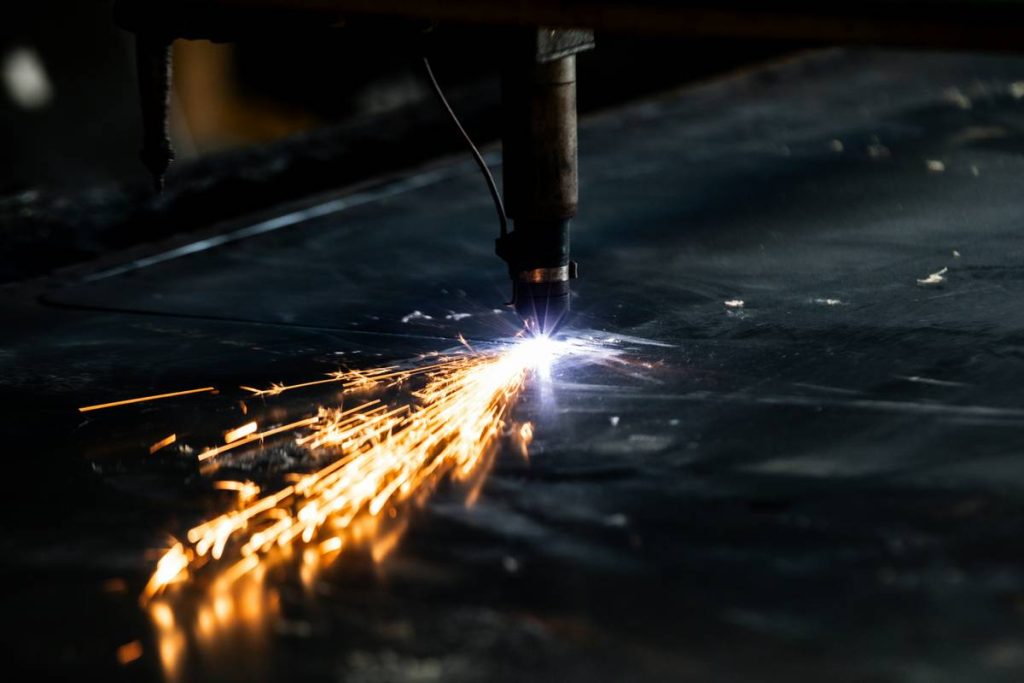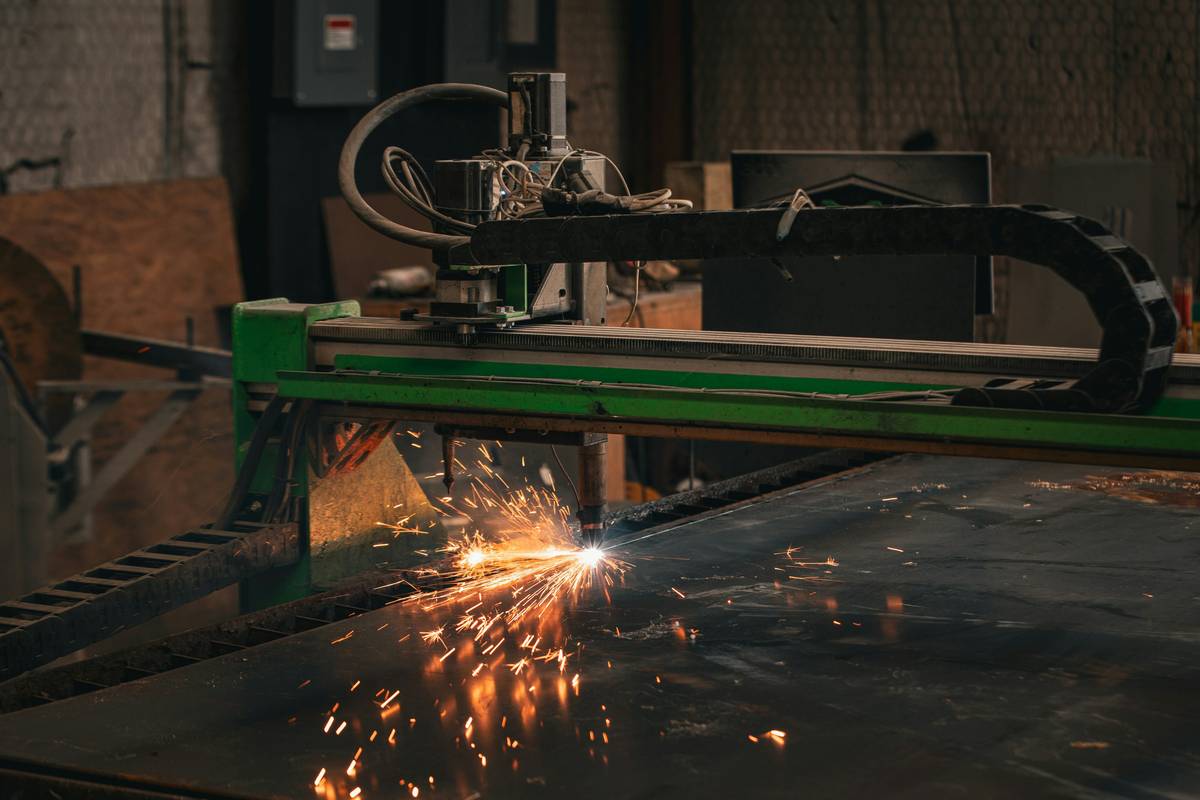
If you’ve ever stared at a thick steel plate wondering how to slice through it like butter—without melting your garage floor—you’re not alone. Plasma cutters promise clean, fast metal cuts, but misuse can lead to ruined materials, fried circuits, or even safety hazards. In this guide, we break down the basics of plasma cutting with hard-won lessons from real workshops, so you skip the expensive errors and start cutting like a pro.
Table of Contents
- Why Plasma Cutting Matters in Home Improvement
- Step-by-Step Guide to Mastering Plasma Cutting
- Essential Tips and Best Practices
- Real-World Case Studies
- Frequently Asked Questions
Key Takeaways
- Plasma cutters require clean, dry air and proper grounding—skip either, and you’ll struggle with arc stability.
- Always match amperage to material thickness; too low causes dross, too high warps metal.
- Safety isn’t optional: UV radiation from plasma arcs can cause “arc eye” within seconds.
- The basics of plasma cutting hinge on three things: power, air quality, and technique.
Why Plasma Cutting Matters in Home Improvement
In DIY home projects—from custom railings to farm gate repairs—metal fabrication is increasingly common. Unlike angle grinders that leave jagged edges or oxy-fuel torches requiring flammable gases, plasma cutters offer precision, speed, and cleaner cuts on conductive metals like steel, stainless, and aluminum. According to the Fabricators & Manufacturers Association (FMA), over 60% of small-shop metalworkers now use CNC or handheld plasma systems for their versatility.
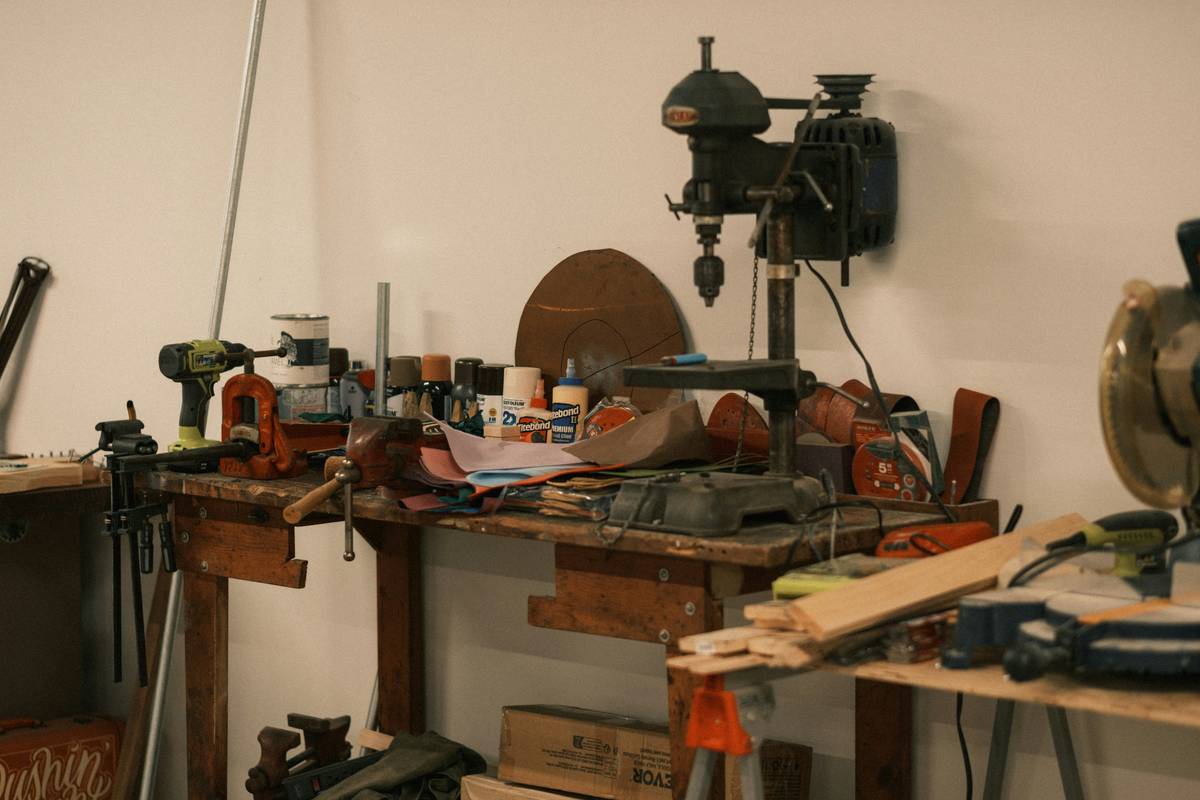
I learned this the hard way during my first attempt at cutting a trailer hitch mount. I skipped checking the air filter, assuming “a little moisture won’t hurt.” Big mistake. The arc sputtered, left a molten mess, and took three grinding passes to fix. Don’t be like me—treat air quality as non-negotiable.
Step-by-Step Guide to Mastering Plasma Cutting
1. Prepare Your Workpiece
Clean rust, paint, or oil off the metal surface. Plasma requires electrical conductivity—contaminants interrupt the arc. Clamp the workpiece securely to a grounded table or metal surface.
2. Set Up Your Machine
Check your plasma cutter’s manual for amperage settings based on material thickness. As a rule: 20A cuts ~3/8″ mild steel, 40A handles up to 5/8″. Ensure your air compressor delivers dry, oil-free air at the required PSI (usually 90–120 PSI). Install an inline air dryer if needed.
3. Strike the Arc Correctly
Hold the torch perpendicular to the metal. For drag-tip models, rest the shield lightly on the surface. Trigger the arc, then move steadily at 10–20 inches per minute—too slow causes excessive melting; too fast leads to incomplete cuts.
Essential Tips and Best Practices
- Use Consumables Wisely: Nozzle and electrode wear affects cut quality. Replace them when you see double-arcing or erratic sparks.
- Grounding Is Critical: Attach the ground clamp directly to the workpiece—not the table. Poor grounding causes erratic arcs and poor cut quality.
- Avoid This Terrible Tip: “Just crank up the amperage if the cut isn’t clean.” Wrong! Excess power warps thin metal and shortens consumable life. Match settings to thickness—it’s physics, not preference.
- Protect Yourself: Wear auto-darkening helmets (shade #8 minimum), flame-resistant gloves, and cover exposed skin. Plasma emits intense UV—far worse than welding.
And please, stop using cheap extension cords. Voltage drop from undersized cords causes unstable arcs. Use 12-gauge minimum for 50-foot runs. It drives me nuts seeing folks blame their $800 cutter when the real culprit is a $10 orange cord.
Real-World Case Studies
A homeowner in Ohio used a 30A handheld plasma cutter to fabricate decorative iron gates. By following proper amperage settings and using dry shop air, he achieved smooth cuts on 1/4″ steel with minimal cleanup—saving 12 hours versus angle-grinder finishing. His only regret? Not wearing eye protection early on; he suffered mild arc eye (photokeratitis), which the CDC confirms is painful but temporary with rest.
Conversely, a DIYer in Texas tried cutting galvanized steel without ventilation. The resulting zinc fumes caused metal fume fever—symptoms include chills, nausea, and fever. The Occupational Safety and Health Administration (OSHA) warns against welding or cutting coated metals without proper respiratory protection (OSHA Guidelines).
Frequently Asked Questions
Can I cut aluminum with a plasma cutter?
Yes! Plasma cutters work on any electrically conductive metal, including aluminum and copper. Just ensure your machine has sufficient power—aluminum dissipates heat quickly, often requiring higher amperage than steel of the same thickness.
Do I need special training for the basics of plasma cutting?
Formal certification isn’t required for hobbyists, but understanding the basics of plasma cutting—safety, setup, and technique—is essential. Many community colleges offer weekend workshops; OSHA also provides free online resources.
How thick can a typical home plasma cutter handle?
Most portable units (20–40A) cleanly cut up to 5/8″ mild steel. For thicker materials, industrial systems are needed. Always consult your model’s cut chart—manufacturer specs trump internet rumors.
Is plasma cutting safer than oxy-acetylene?
Generally, yes. Plasma uses compressed air instead of flammable gases, reducing fire risk. However, it emits stronger UV radiation and louder noise, so PPE remains critical. Learn more from the Wikipedia entry on plasma cutting.
What’s the biggest beginner mistake?
Moving too slowly. New users often pause mid-cut, causing excessive dross or hole blowout. Maintain consistent travel speed—practice on scrap first.
Where can I learn more about your team’s expertise?
We’ve spent over a decade engineering metal fabrication solutions. Read about our mission on the About Us page—and if you’re planning a project, contact us for a consultation. Rest assured, your data stays private per our Privacy Policy.
Mastering the basics of plasma cutting isn’t about fancy gear—it’s about respecting the process. Get the fundamentals right, and you’ll turn raw metal into precision art, not scrap. So suit up, dry that air, and make every spark count.